

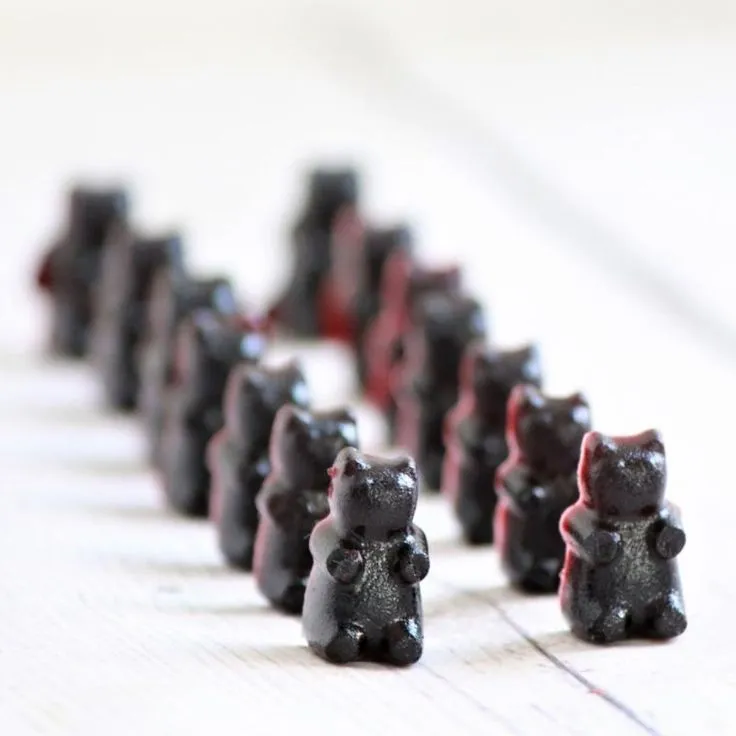
A developer using Black Carrot color in confectionery has more to think about than the final shade. Gummies, jelly, and fruit candies contain acids, sweeteners, gelling agents, and flavors that can all influence how a red or purple tone appears. FoodRGB describes black carrot as a water-soluble color with a preferred pH range of about 3.0 to 5.0. That makes it a practical option for many acidic candy formulas, provided the complete recipe is tested rather than judging the color in plain water alone.
Acidity Shapes the Final Shade
Black carrot contains anthocyanin pigments, so acidity plays a direct role in the color developers see. A fruit gummy may sit comfortably inside the preferred range, while another confectionery formula may need closer testing. After the addition of flavors, fruit preparations or minerals, small variations in acid level might affect tone. Measuring the finished mixture gives a better answer than relying on the pH of one ingredient. Side-by-side trials can also show whether the target red should be adjusted before the recipe moves to pilot production.
Gummies Need Even Distribution
Gummy candy puts color inside a translucent base, which makes uneven mixing easy to notice. FoodRGB describes water-soluble natural colors as suitable for gummy applications because they can integrate into gelatin or pectin systems. The color still needs to be added where it can spread through the batch without unnecessary heat exposure. Developers should compare the shade after cooking and cooling, not only during mixing. A uniform fresh batch is useful, but the real goal is a gummy that keeps a consistent appearance through storage.
Jelly Can Show Color Differently
Jelly may use similar ingredients to gummies, yet its softer texture and higher water content can make the same pigment look different. A red that seems deep in one candy can appear brighter in another. This is where Natural Candy Color selection becomes product-specific rather than category-wide. FoodRGB provides black carrot for confectionary and jello applications as a starting point for developers. Testing several concentrations in the actual base helps determine whether the color looks balanced without becoming too dark or shifting too far toward purple.
Heat Still Belongs in the Trial
FoodRGB describes black carrot as heat-stable within its preferred acidic range, but manufacturing conditions still vary. Gummy cooking, syrup preparation, fruit filling and jelly production can expose color to different temperatures and holding times. The safest approach is to run the chosen concentration through the same heating and cooling sequence planned for production. That shows whether the tone remains acceptable once the product sets. It also gives developers a chance to adjust timing if the color performs better when introduced later rather than at the beginning.
Fruit Ingredients Can Change Perception
Fruit-based candies often contain juice concentrates, purees, or flavor systems that already contribute their own color. Those ingredients can deepen, soften or shift a black carrot shade once everything is combined. A berry-flavored gummy may need less added color than a clear citrus base, even when both products are designed to look red. Developers should evaluate the full formula under normal lighting and compare samples after it has rested. This prevents the team from choosing a concentration based on an unfinished mixture that will not match the final candy.
Scale and Packaging Need Attention
A lab batch is easy to control, but commercial confectionery equipment introduces larger volumes, longer transfers and different mixing patterns. Pilot production can have streaks or uneven color that wasn’t present in a small beaker. Packaging is another consideration, as candy in clear pouches and jars is exposed to more light than candy in opaque packaging. FoodRGB notes strong light resistance for black carrot, but shelf testing is still worthwhile. Keeping samples from a pilot run and checking them at planned intervals gives the team a realistic view of how the shade will hold.
Conclusion
Black carrot can be a useful natural red-to-purple option for gummies, jelly, and other acidic confectionery products, especially when the formula sits around its preferred pH range. Its water solubility and stated heat and light resistance make it worth testing, but processing, fruit ingredients, concentration, and storage still shape the result. Manufacturers can use foodrgb.com to review natural color systems and confectionery application support. The best choice comes from testing the complete recipe, following the real production sequence, and checking the finished candy again during shelf-life evaluation.
