

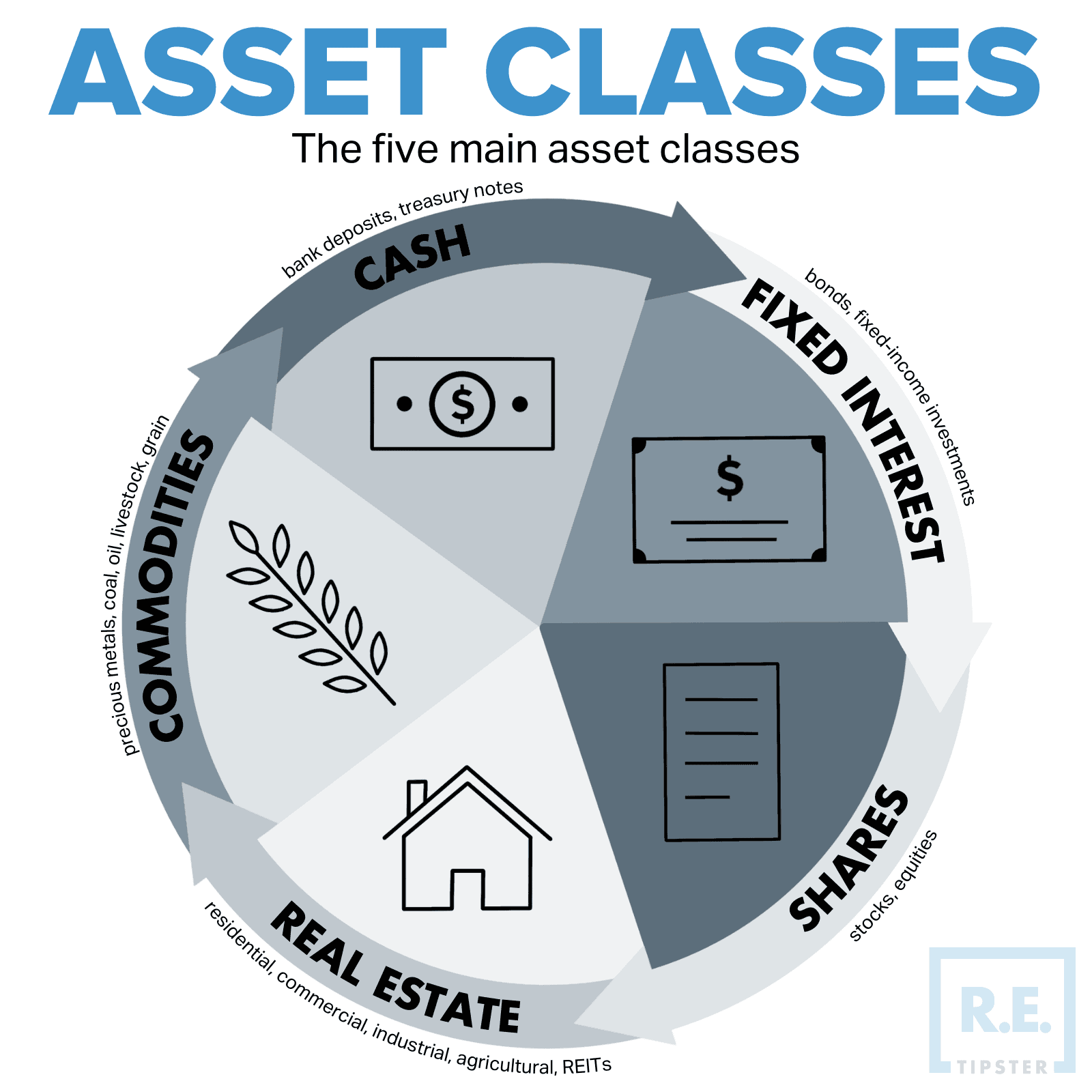
Traditional financial planning has long pressured retail investors into an absolute reliance on corporate equity and fixed-income paper assets. While holding shares in a company provides a front-row seat to corporate earnings growth, it leaves your hard-earned capital entirely vulnerable to the internal decisions of corporate boards and sudden earnings recessions. When systemic shocks rattle the stock market, traditional portfolios often drop in unison because the underlying assets are driven by the exact same market forces.
True structural insulation requires looking past corporate balance sheets and moving toward real-world tangible goods. By integrating physical components that react to entirely different economic triggers, self-directed savers can establish a multi-layered defense system that thrives even when conventional stock markets stall.
The Contrarian Behavior of Raw Inputs During Inflationary Cycles
Entering the arena of active commodity trading allows individuals to park capital in physical materials that tend to perform exceptionally well when paper indices suffer. Unlike corporate entities whose profit margins are instantly squeezed by rising operational overhead, raw inputs like energy, metals, and agricultural goods are the direct causes of inflation.
Because these real-world assets represent the fundamental bricks and fuel of global infrastructure, their baseline value expands naturally alongside consumer price changes. Incorporating disciplined commodity trading strategies into a broader financial blueprint transforms raw material volatility into a natural portfolio shock absorber. Spreading risk across physical contracts ensures that retail savers are actively leveraging global macroeconomic shifts rather than just absorbing price spikes as everyday consumers. Engaging in strategic commodity trading fundamentally shifts a portfolio’s relationship with inflation from a net liability to a major source of resilience.
Mapping the Alternate Universe: Core Segments Built for Protection
To construct a highly balanced real-asset allocation, market participants rely on a distinct mix of globally traded derivative contracts:
· Bullion Safeguards (Gold & Silver): Act as the ultimate monetary haven, gaining massive volume when international central banks cut interest rates or global currency trusts decline.
· Macro Energy Drivers (Crude Oil & Natural Gas): Fluctuate dynamically based on production quotas set by international cartels and immediate seasonal manufacturing shifts.
· Base Industrial Drivers (Copper & Aluminum): Reflect the immediate real-time health of global infrastructure expansion, urban development, and electrical grid updates.
· Soft Agricultural Inputs (Spices & Grains): Offer isolated trading environments completely detached from industrial indices, moving purely on domestic climate conditions and import taxes.
Streamlining Account Infrastructure via Centralized Multi-Asset Hubs
Historically, individual investors stayed away from these alternative contracts because managing them required complicated, separate clearing desks and separate capital reserves. Modern financial technology has completely simplified this architecture through the digitized process of an online demat account opening.
Establishing this unified registry allows a single pool of capital to support equities, equity derivatives, and tangible raw material futures simultaneously. By wrapping up your multi-asset needs within a seamless demat account opening procedure; you eliminate the costly operational delays of moving money back and forth between different platforms during time-sensitive market events. This structural integration ensures that your account balance is optimized for daily margin efficiency, giving you complete visibility over your net market risk.
Lowering Transaction Boundaries to Maximize Long-Term Net Returns
Once your digital demat account opening is verified, the final step to maintaining a sustainable edge involves selecting a broker that eliminates outdated percentage-based commission structures. Because active alternative asset strategies rely heavily on adjusting position sizes and matching global supply shifts, high transactional fees can quickly consume your day-to-day returns.
Leading platforms have transformed this space by introducing flat-rate models, charging a fixed fee of just ₹20 per executed order regardless of transaction volume. Removing percentage traps ensures that every trade is based strictly on technical data rather than the anxiety of mounting execution fees. Combining low operational friction with automated margin alerts helps day participants successfully safeguard their alternative asset portfolios over long market horizons.
