

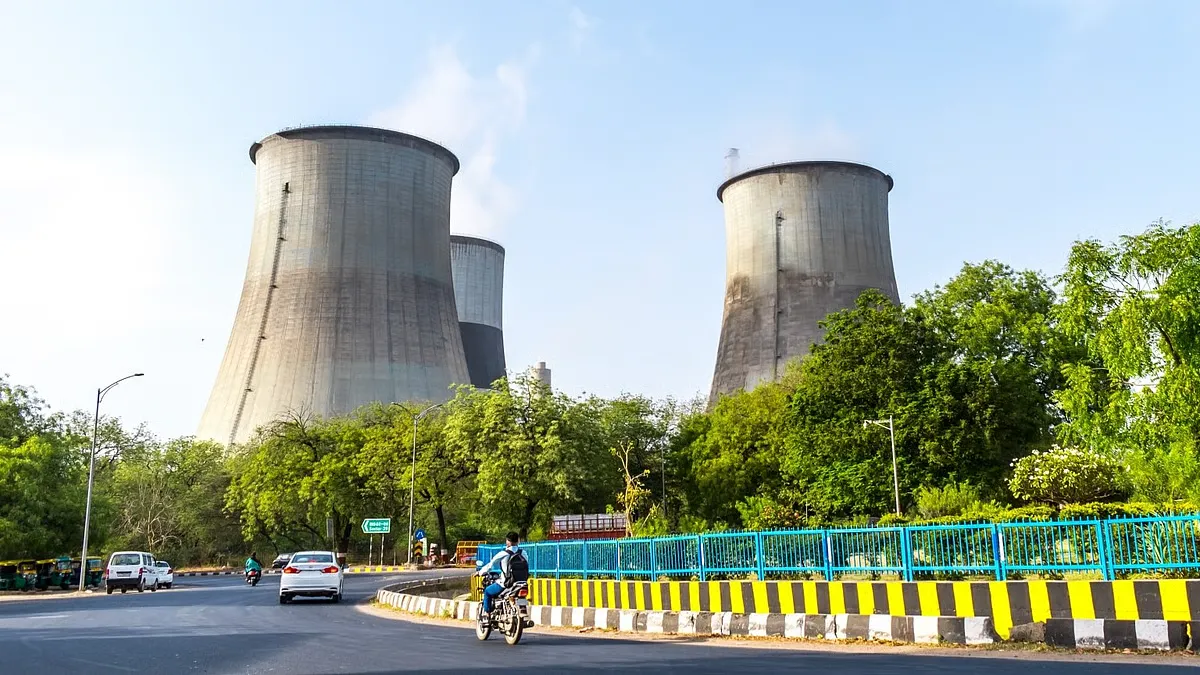
India’s energy transition is entering a new phase as the government explores the possibility of converting old thermal power plant locations into nuclear energy hubs. In a significant development, three ageing thermal power sites have reportedly been shortlisted for upcoming nuclear power projects, reflecting the country’s growing ambition to expand its clean energy capacity while making better use of existing infrastructure.
The move comes at a time when India is aggressively pursuing long-term energy security and low-carbon electricity generation. With rising power demand, increasing industrialisation, and climate commitments pushing the country toward cleaner fuels, nuclear energy is once again gaining strategic importance in India’s power roadmap.
Why Old Thermal Power Sites Are Being Reused
Repurposing old thermal power plant locations offers several practical advantages. Many of these sites already possess transmission infrastructure, water availability, railway connectivity, and large land parcels that were earlier used for coal handling and thermal operations. Developing nuclear plants at such locations can reduce both construction timelines and project costs.
According to reports discussed during a high-level workshop connected to the Sustainable Harnessing and Advancement of Nuclear Energy for Transforming India (SHANTI) initiative, two of the shortlisted sites are considered suitable for large 700 megawatt-electric reactors, while another may host smaller 220 MWe reactors.
The site evaluation exercise was conducted by a sub-committee formed under the Central Electricity Authority in 2025. The panel included officials from the Nuclear Power Corporation of India and the Atomic Energy Regulatory Board, indicating that both technical and regulatory considerations were part of the assessment process.
Nuclear Energy Becoming Central to India’s Future
India currently operates a relatively modest nuclear power capacity compared to its overall electricity demand. However, the government has set ambitious expansion targets for the coming decades. Reports suggest India aims to increase nuclear power generation capacity from around 8 GW currently to nearly 100 GW by 2047.
This massive scale-up is linked to India’s broader clean energy strategy. While renewable energy sources such as solar and wind are growing rapidly, they also face intermittency challenges. Nuclear energy, on the other hand, provides continuous baseload electricity with very low carbon emissions.
Energy experts believe nuclear power can complement renewable energy by stabilising the grid and supporting industrial growth. As India’s electricity consumption continues to rise due to electric vehicles, data centres, manufacturing expansion, and urbanisation, reliable round-the-clock power generation will become increasingly critical.
The Biggest Challenge: Exclusion Zones
Despite the promise of repurposing thermal sites, one major hurdle has emerged — exclusion zone requirements.
An exclusion zone is a mandatory safety buffer around a nuclear reactor where habitation and economic activities are restricted. These zones are designed to minimise public exposure in case of any emergency or radiation-related event.
For many old thermal plant sites, meeting these exclusion zone norms is proving difficult because surrounding populations have expanded over the years. Urban growth, residential settlements, and commercial development near older industrial locations make compliance more complicated.
Reports indicate that the government and nuclear regulators are now considering revisions to existing exclusion zone norms to support future nuclear expansion. Proposed changes may reduce land requirements significantly, particularly for modern reactors and smaller modular nuclear units.
The revised approach is reportedly based on advancements in reactor safety technologies and international practices followed in countries such as the United States and France, where fixed exclusion distances are not always mandatory.
Smaller Reactors Could Play a Major Role
Small Modular Reactors, commonly known as SMRs, are increasingly being viewed as a potential solution for India’s nuclear expansion challenges.
Unlike traditional large-scale nuclear plants, SMRs require less land, involve lower upfront investment, and can be deployed more flexibly. Experts believe they could fit more easily into repurposed thermal sites and industrial zones.
SMRs are also considered easier to standardise and replicate, which may help reduce project delays and cost overruns often associated with large nuclear infrastructure projects. Several global studies have highlighted the importance of standardisation in improving nuclear project efficiency.
For India, SMRs could become particularly useful in regions where acquiring vast stretches of new land is politically or socially difficult.
Private Sector Interest Is Growing
India’s nuclear sector has traditionally remained under tight government control, but policy reforms are beginning to open doors for greater private participation.
Major Indian companies, including those from the power and industrial sectors, are reportedly evaluating opportunities in nuclear energy development. Industry interest has increased after discussions around regulatory reforms and future investment frameworks.
The possibility of using existing thermal power sites makes these projects even more attractive for investors because basic infrastructure is already available. This reduces project risk and shortens development timelines.
At the same time, policymakers must balance investment goals with safety concerns and public trust. Nuclear energy continues to face sensitivity among sections of the population, especially regarding radiation risks and waste management.
India’s Energy Transition Is Evolving
The shortlisting of old thermal sites for nuclear projects symbolises a broader transformation taking place in India’s power sector. Rather than abandoning legacy industrial infrastructure completely, the government is attempting to modernise and reuse it for cleaner forms of electricity generation.
This approach reflects a practical transition strategy — one that acknowledges the continued importance of reliable baseload power while gradually reducing dependence on fossil fuels.
Coal still contributes a major share of India’s electricity generation, but the country is simultaneously investing heavily in renewables, storage systems, green hydrogen, and nuclear energy. The future power mix is likely to be more diversified than ever before.
If executed successfully, repurposed thermal-to-nuclear projects could help India accelerate clean energy growth without starting entirely from scratch. However, regulatory approvals, public acceptance, land safety norms, financing, and technology deployment will ultimately determine how quickly these projects move from planning to reality.
updateprnews updateprnews updateprnews updateprnews updateprnews updateprnews updateprnews updateprnews updateprnews updateprnews updateprnews updateprnews updateprnews updateprnews updateprnews updateprnews updateprnews updateprnews updateprnews updateprnews updateprnews updateprnews updateprnews updateprnews updateprnews updateprnews updateprnews updateprnews updateprnews updateprnews updateprnews updateprnews updateprnews updateprnews updateprnews updateprnews updateprnews updateprnews updateprnews updateprnews updateprnews updateprnews updateprnews updateprnews updateprnews updateprnews updateprnews updateprnews updateprnews updateprnews updateprnews updateprnews updateprnews updateprnews updateprnews updateprnews updateprnews updateprnews updateprnews updateprnews updateprnews updateprnews updateprnews updateprnews updateprnews updateprnews updateprnews updateprnews updateprnews updateprnews updateprnews updateprnews updateprnews updateprnews updateprnews updateprnews updateprnews updateprnews updateprnews updateprnews updateprnews updateprnews updateprnews updateprnews updateprnews updateprnews updateprnews updateprnews updateprnews updateprnews updateprnews updateprnews updateprnews updateprnews updateprnews updateprnews updateprnews updateprnews updateprnews updateprnews updateprnews updateprnews updateprnews updateprnews updateprnews updateprnews updateprnews updateprnews updateprnews updateprnews updateprnews updateprnews updateprnews updateprnews updateprnews updateprnews updateprnews updateprnews updateprnews updateprnews updateprnews updateprnews updateprnews updateprnews updateprnews updateprnews updateprnews updateprnews updateprnews updateprnews updateprnews updateprnews updateprnews updateprnews updateprnews updateprnews updateprnews updateprnews updateprnews updateprnews updateprnews updateprnews updateprnews updateprnews updateprnews updateprnews updateprnews updateprnews updateprnews updateprnews updateprnews updateprnews updateprnews updateprnews updateprnews updateprnews updateprnews updateprnews updateprnews updateprnews updateprnews updateprnews updateprnews updateprnews updateprnews updateprnews updateprnews
